


Elton Boocock urges glass fabricators to slow down on AI
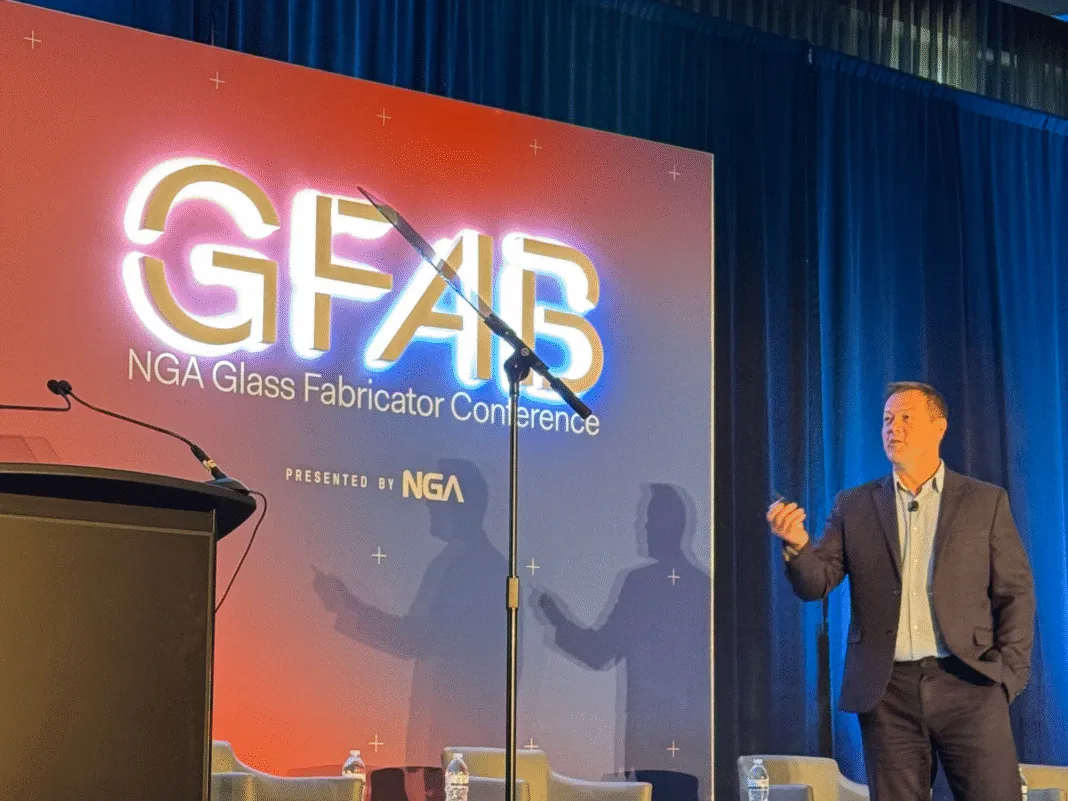
Speaking at the National Glazing Association’s inaugural GFAB event in Chicago, thinkivity Founder, Elton Boocock, delivered a message that cut against the grain of much of the AI conversation currently circulating in glass fabrication.
The message was: Slow down. Think clearly. Build for business value rather than headline moments.
thinkivity was invited to address the event, which brought together glass fabricators from across North America for the first time under the GFAB banner, on the topic of the future of AI for glass fabrication.
Before the event, delegates were asked what they most wanted to hear about. The results were telling: 62% cited the reliability and accuracy of AI as their primary concern. A further 29% flagged data security.
For an industry increasingly hearing about smart factories and fully automated fabrication plants, those numbers said something important: the audience wasn’t asking how to move faster. They were asking how to move wisely.
Elton took that as his starting point and went back to basics.
Drawing a parallel with autonomous driving, he walked delegates through the incremental steps that have taken the automotive industry from early driver-assistance features to where self-driving technology sits today. It wasn’t a single leap.
It was a series of tested, trusted advances, each one building on the last before the next was attempted.
His argument: AI for glass fabrication is on the exact same road, and understanding where we actually are on that journey matters far more than fixating on where we might one day arrive.
“AI is the new cocaine,” Elton told the room. “People are either scared of it or getting high on it. Both are the wrong response. A planned approach grounded in real business needs is how we get the most from it without burning out or being left behind.”
That theme ran through the entire session. Despite the volume of conversation around smart factories and fully automated plants, Elton took a deliberately measured position, pushing back against what he described as a ‘we must use AI’ mentality.
His case was straightforward: AI is a tool, and like every tool that has come before it, it should be chosen because it solves a problem, not because it’s the conversation everyone is having.
“I’m not here to put the brakes on ambition,” he said. “But the businesses that will benefit most from AI aren’t the ones chasing the most impressive demos. They’re the ones who’ve identified a genuine challenge and asked whether AI is the right fix. Start with the business need. Let the technology follow from that.”
To bring the point to life, Elton revealed something that resonated clearly with the audience. He hadn’t walked into the event alone.
Four colleagues had been working alongside him throughout the day, all of them AI agents operating in the background on tasks he’d defined in advance as genuine business priorities.
“The future is already here,” he said. “But those agents weren’t in the room to show off.
“They were working on specific challenges that needed solving, tasks defined as business problems first, not as opportunities to try something clever.
“That’s the distinction that matters. Not can AI do this, but should it, and does it make the business better?”
For delegates navigating significant technology investment decisions, the session offered a practical anchor in a conversation that can quickly become overwhelming.
In a sector where pressure to adopt AI is growing fast, Boocock’s message gave fabricators something less commonly heard at industry events: permission to think before they act, and confidence that a measured approach isn’t falling behind. It’s getting it right.
thinkivity works with glazing and glass businesses on practical, planned AI adoption. The Chicago appearance marks a step into the North American market.
For more information about thinkivity, visit: AI for the Glazing Industry | Training & Consultancy by Thinkivity
Latest posts
-
 21/10/2026
Business Pilot announces Cassie Watters appointment
-
 21/10/2026
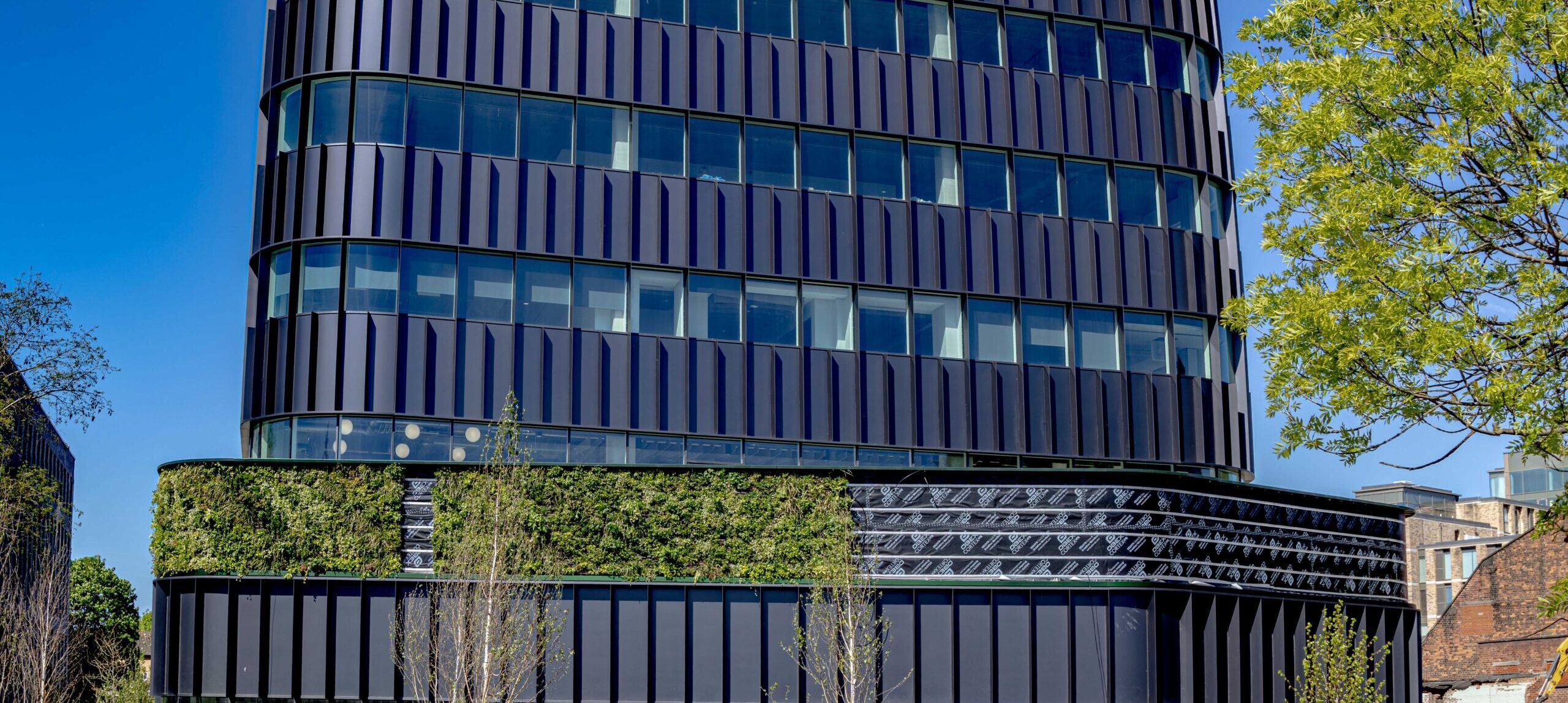
Reynaers UK scoops double G-Award nominations
-
 21/10/2026
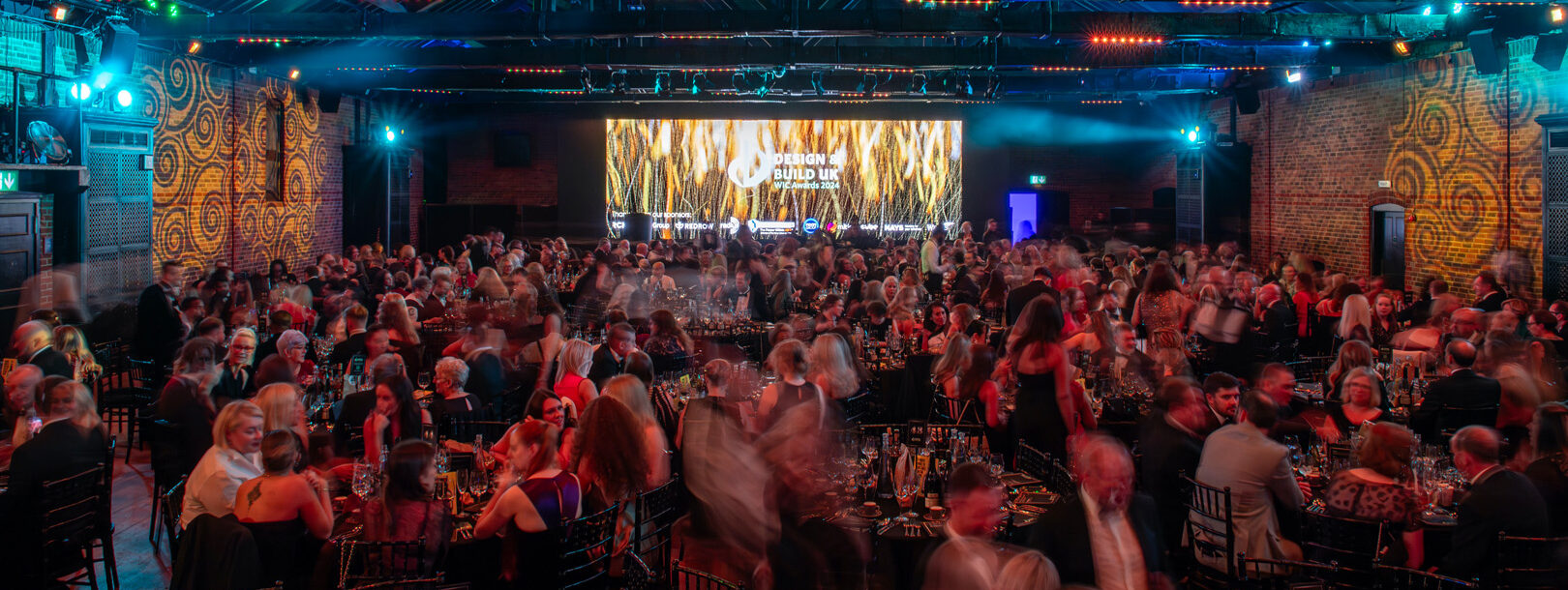
Women in Construction Awards 2026 returns to London
-
 21/10/2026
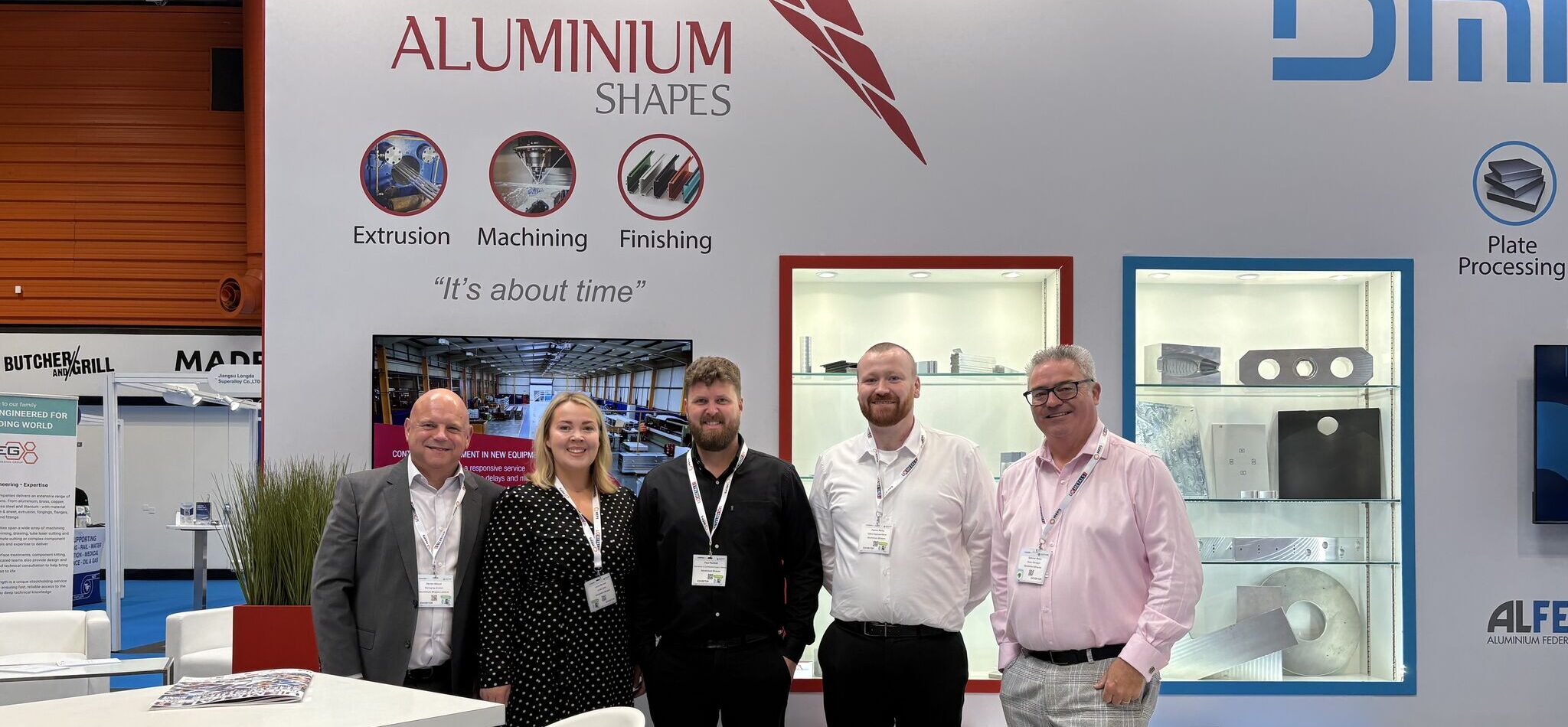
Aluminium Shapes set to exhibit at UK Metals Expo
-
 21/10/2026
CAB Hub returns to FIT Show 2027
-
 21/10/2026
FIT Show 2027: Building trust in fenestration
-
 21/10/2026
Conservatory Outlet announces new Doncaster facility
-
 21/10/2026
FUHR scoops ‘Best Brand of the Year’ award
-
 21/10/2026
Women in Fenestration Network launches Allies initiative
-
 21/10/2026
Safeware once again announced as G-Award finalist