


Why women are key to fenestration’s future
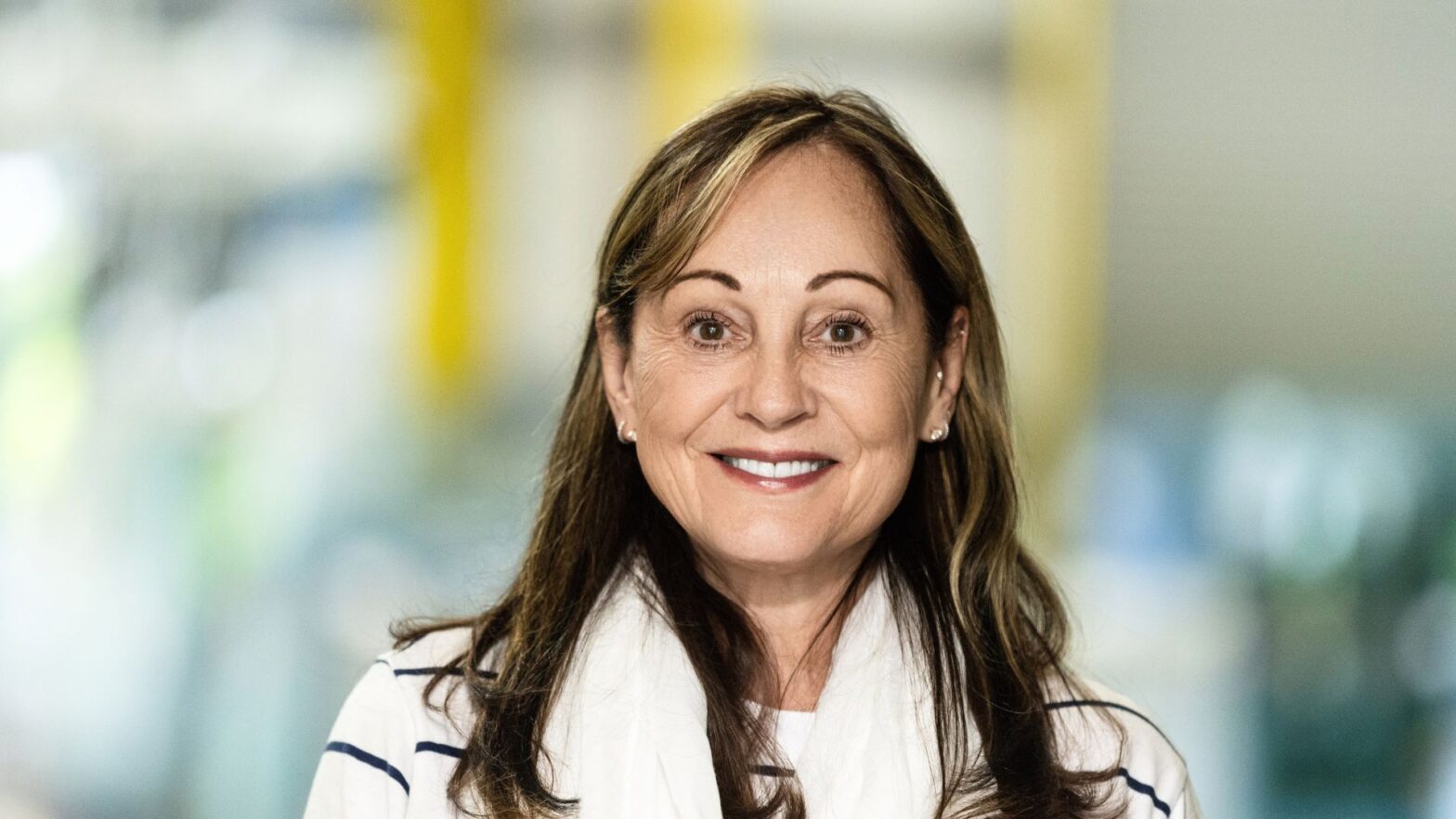
Gaby Mendham, Joint Managing Director, Ecoglass explains why investing in people, and more importantly women, is key to a future succes for the glazing industry.
Fenestration has long been built on craft, expertise and committed people, yet women remain underrepresented across production, technical and leadership roles. Creating clearer routes for women to join, develop and lead is not only a question of culture; it is a commercial priority for an industry facing an enduring skills shortage.
I’ve always been an incredibly proud ambassador of the fenestration industry.
We’re an industry of craft, genuine expertise and people who care deeply about what they create and deliver.
But it has also, for as long as I can remember, been an industry where women are notably underrepresented, not just on the factory floor but also in leadership, technical roles and the rooms where decisions are made.
That’s beginning to change, but not without deliberate effort from the businesses that want to see it happen.
The commercial case, not just the cultural one
Diversity in business is more than the values we write on our website. It’s a tangible commercial asset.
It’s widely recognised that businesses investing in developing people from diverse backgrounds and perspectives make better business decisions, build stronger teams and are better positioned to understand and serve their customers.
The skills shortage our industry faces is well documented, and it honestly shows no sign of resolving itself any time soon.
However, against this backdrop, any business that is not actively creating pathways for women and underrepresented groups to enter, develop and progress within the sector is narrowing its own talent pool by choice.
For me, this is a strategic oversight as much as it’s a cultural one.
What we’re doing at Ecoglass
At Ecoglass, investing in people has always been central to how we operate, and that investment extends to making sure the women in our business have the development opportunities, support and visibility to grow.
In the last year alone, Anna Mendham, our Customer Service Manager, has completed a Customer Service qualification that reflects both her ambition and the value we place on developing the people who represent Ecoglass every day.
In her time with the company, Jasmine Winter has achieved a Level 3 CIPD qualification in HR Support.
This has been a meaningful investment in both her professional development and the capability of the business.
These aren’t token gestures, but a reflection of a deliberate approach to developing people regardless of where they sit in the business and ensuring that the women on our team have access to the same structured development pathways as anyone else.
I’m also conscious of the role that visible leadership plays.
When I joined Ecoglass in 1997, women in senior roles in this industry were rare, and visibility matters, both for the women already working in the sector and for those who might not yet have considered it as a career.
Seeing someone in a role that they themselves aspire towards makes it feel possible in a way that statistics and encouragement alone cannot ever replicate.
The industry’s responsibility
This isn’t a challenge any single business can solve in isolation.
The pipeline starts long before someone walks through the door of a glazing company; it starts in schools, in spaces with family and friends sharing career advice, and in the way the industry presents itself to the world.
Like many manufacturing businesses, fenestration also has a perception problem that predates its diversity problem, and addressing the latter requires confronting the former.
Trade bodies, training providers and businesses across the supply chain all have a role to play in changing this narrative.
It means actively promoting careers in glass to a wider audience, creating apprenticeship and training routes that are genuinely accessible and making the industry’s events, publications and leadership look more like the breadth of talent that is actually out there.
The businesses that take this seriously now will be better positioned both commercially and culturally, as the industry evolves.
Those that don’t will find the talent shortage they’re already navigating becomes harder to resolve, not easier.
A final thought
Almost three decades in this industry have taught me that the people who shape it for the better are rarely the ones who wait for the conditions to be perfect before acting.
Progress in diversity, as in most things, comes from businesses that decide to move forward deliberately by investing in people, creating opportunities and holding themselves to a higher standard than the status quo requires.
That’s the approach we take at Ecoglass. And it’s one I’d encourage the wider industry to reflect on.
For more information about Ecoglass, visit: Ecoglass – Expert Glass Solutions
Latest posts
-
 21/10/2026
Business Pilot announces Cassie Watters appointment
-
 21/10/2026
Reynaers UK scoops double G-Award nominations
-
 21/10/2026
Women in Construction Awards 2026 returns to London
-
 21/10/2026
Aluminium Shapes set to exhibit at UK Metals Expo
-
 21/10/2026
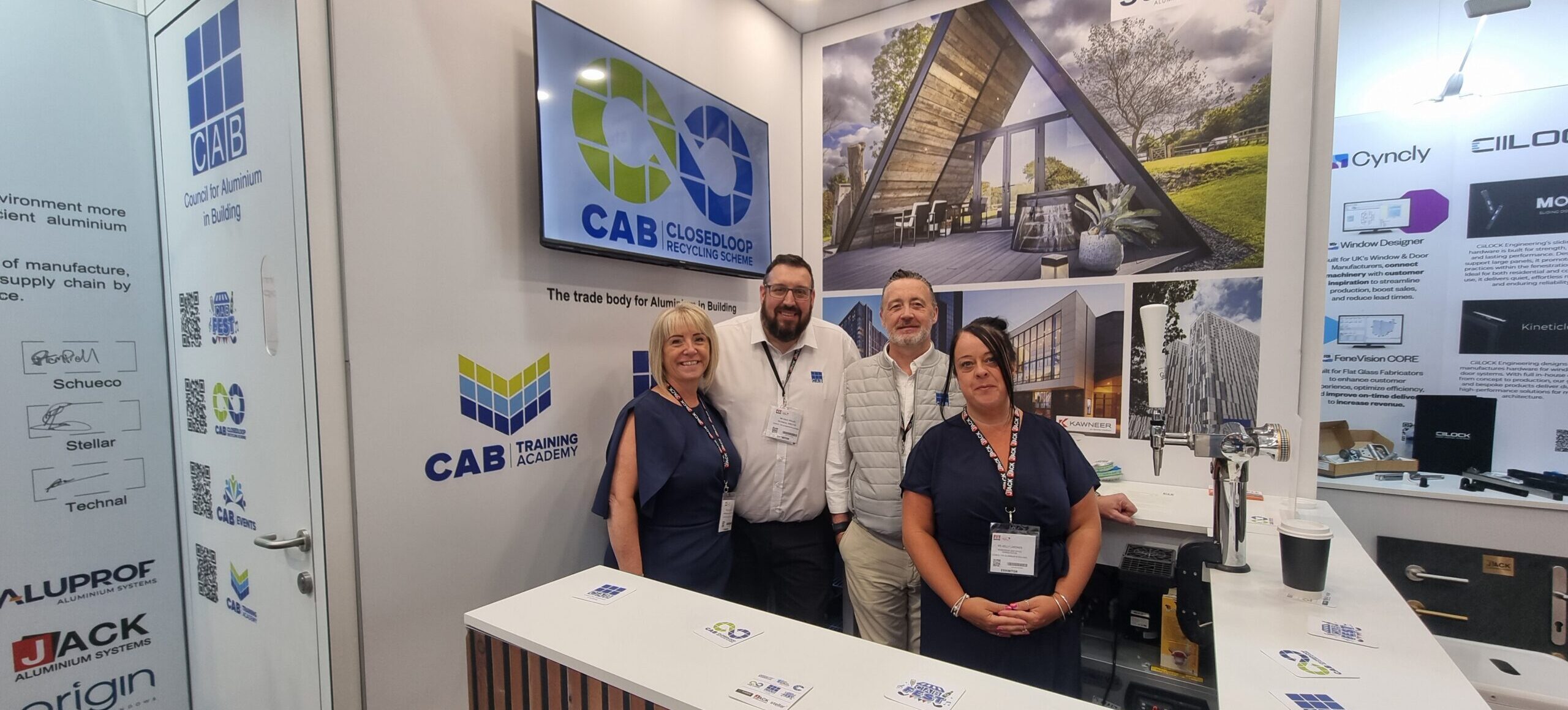
CAB Hub returns to FIT Show 2027
-
 21/10/2026
FIT Show 2027: Building trust in fenestration
-
 21/10/2026
Conservatory Outlet announces new Doncaster facility
-
 21/10/2026
FUHR scoops ‘Best Brand of the Year’ award
-
 21/10/2026
Women in Fenestration Network launches Allies initiative
-
 21/10/2026
Safeware once again announced as G-Award finalist