


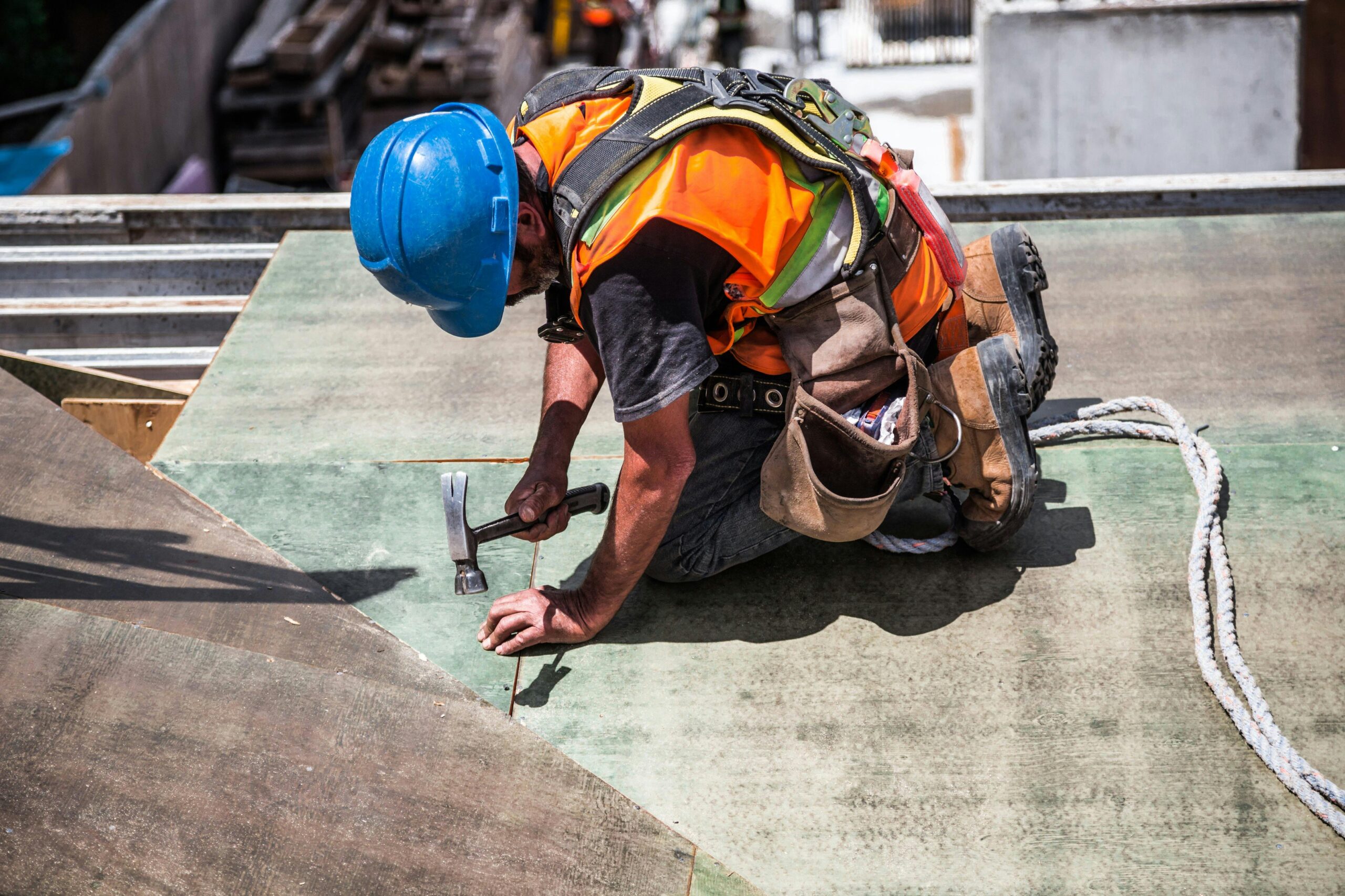
Skill shortage derailing low-carbon housing delivery, says Eurocell
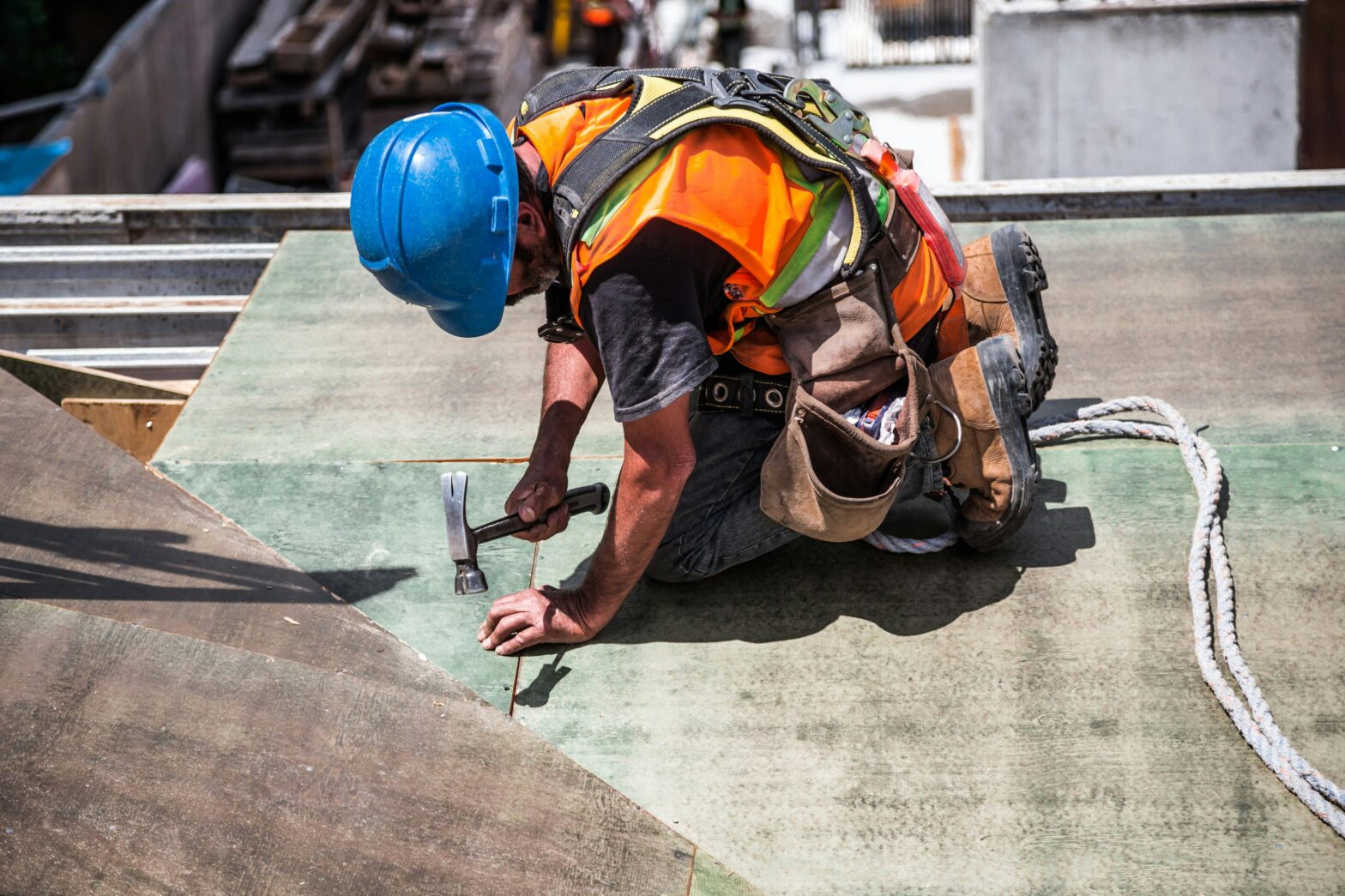
A lack of construction professionals could derail plans to deliver low-carbon housing, experts have warned in a new report from home improvement specialist Eurocell.
Eurocell’s State of Sustainable Construction 2026 report brings together housing market analysis with insight from industry and academic contributors to assess the sector’s readiness for upcoming regulatory and retrofit demands. While the report focuses on housing standards and delivery, contributors warn that skills and workforce capacity remain a critical constraint.
Dr Patricia Xavier, Programme Lead for the BSc Construction Management degree at NMITE, who contributed to the report, said the industry is approaching a tipping point:
“We are at a critical point where we are losing experienced people who can’t pass on their skills and mentoring to the new generation. We need a bird’s-eye view of the skills needed, aligning sector-wide training in a way that is equitable across the country, before this intellectual capital retires out of the industry.”
Eurocell’s analysis in the State of Sustainable Construction 2026 report highlights that the scale of low-carbon housing delivery now being discussed, including retrofit programmes and higher standards for new homes, will place additional pressure on an already stretched workforce. The report identifies a growing gap between rising policy ambition and the practical capacity to deliver, particularly in terms of trained people on the ground.
It also highlights that skills linked to energy efficiency, retrofit, low-carbon heating and building performance are particularly exposed, with smaller firms and regional supply chains often finding it hardest to access training and upskilling opportunities.
The report concludes that while regulation and funding will play a major role in shaping the future of housing, progress will also depend on retaining experience, improving knowledge transfer and building a clearer, more coordinated approach to skills development across the sector. Without that focus, the industry risks losing further capacity at a point when housing delivery and decarbonisation demands are accelerating.
Martin Benn, Head of New Build at Eurocell, said: “Skills are now one of the biggest constraints on delivering low-carbon housing at scale. As standards rise and retrofit activity accelerates, the industry needs confidence that training, accreditation and on-site capability can grow at the same pace. Without that, even well-intentioned policy risks falling short at the point of delivery.”
The full findings are available in Eurocell’s State of Sustainable Construction 2026 report.
Latest posts
-
 21/10/2026
Business Pilot announces Cassie Watters appointment
-
 21/10/2026
Reynaers UK scoops double G-Award nominations
-
 21/10/2026
Women in Construction Awards 2026 returns to London
-
 21/10/2026
Aluminium Shapes set to exhibit at UK Metals Expo
-
 21/10/2026
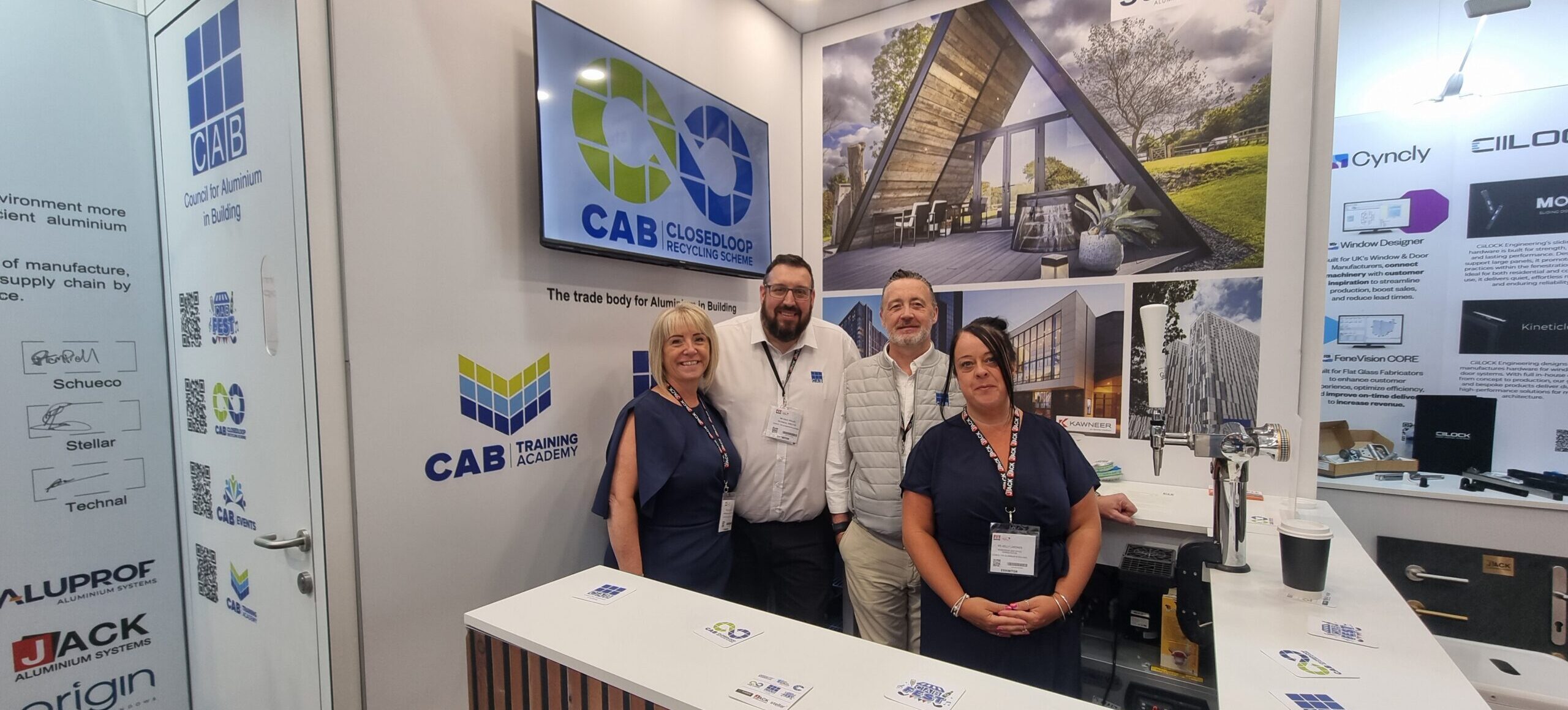
CAB Hub returns to FIT Show 2027
-
 21/10/2026
FIT Show 2027: Building trust in fenestration
-
 21/10/2026
Conservatory Outlet announces new Doncaster facility
-
 21/10/2026
FUHR scoops ‘Best Brand of the Year’ award
-
 21/10/2026
Women in Fenestration Network launches Allies initiative
-
 21/10/2026
Safeware once again announced as G-Award finalist