


Construction Taskforce agrees apprenticeship changes
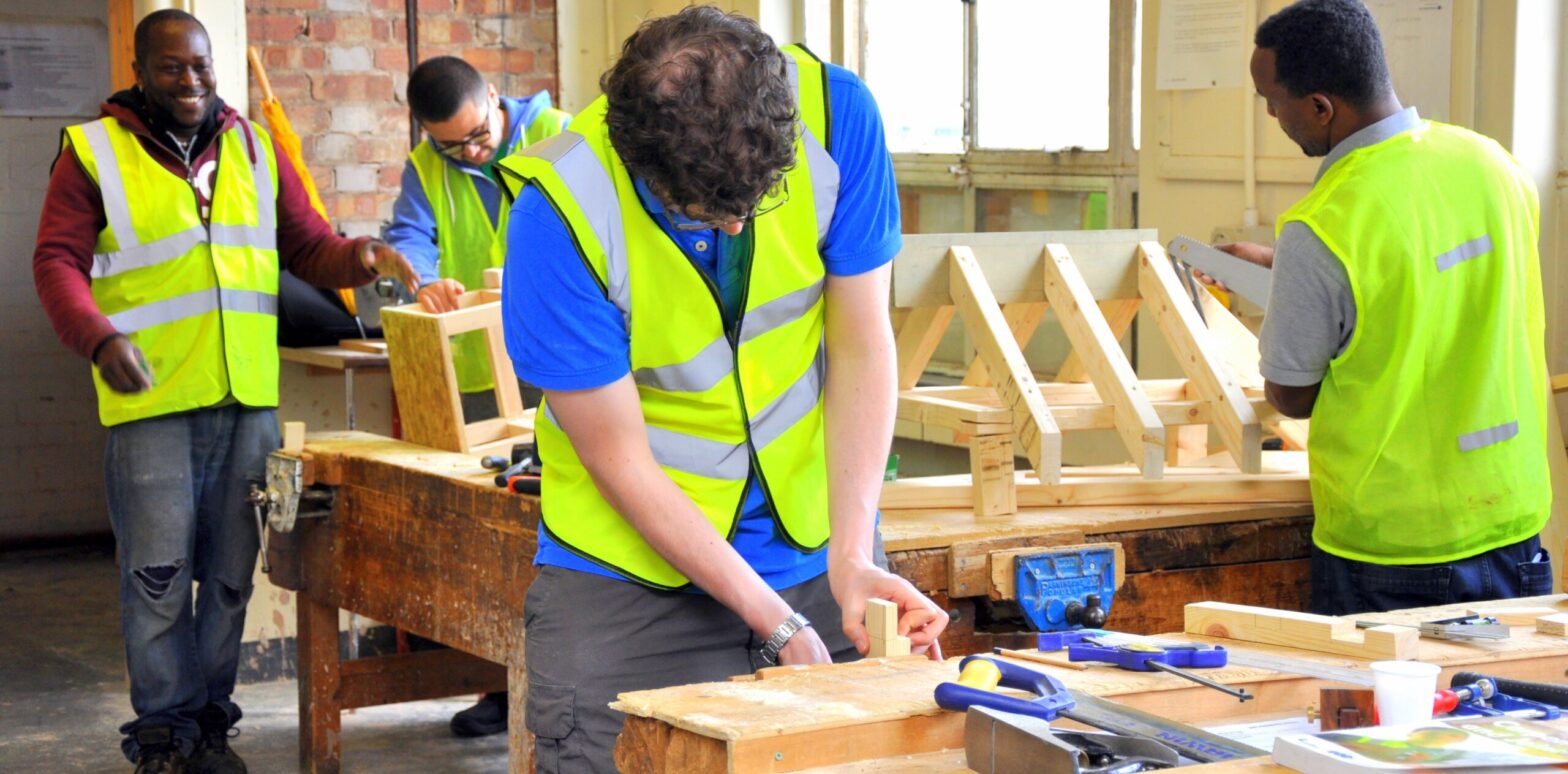
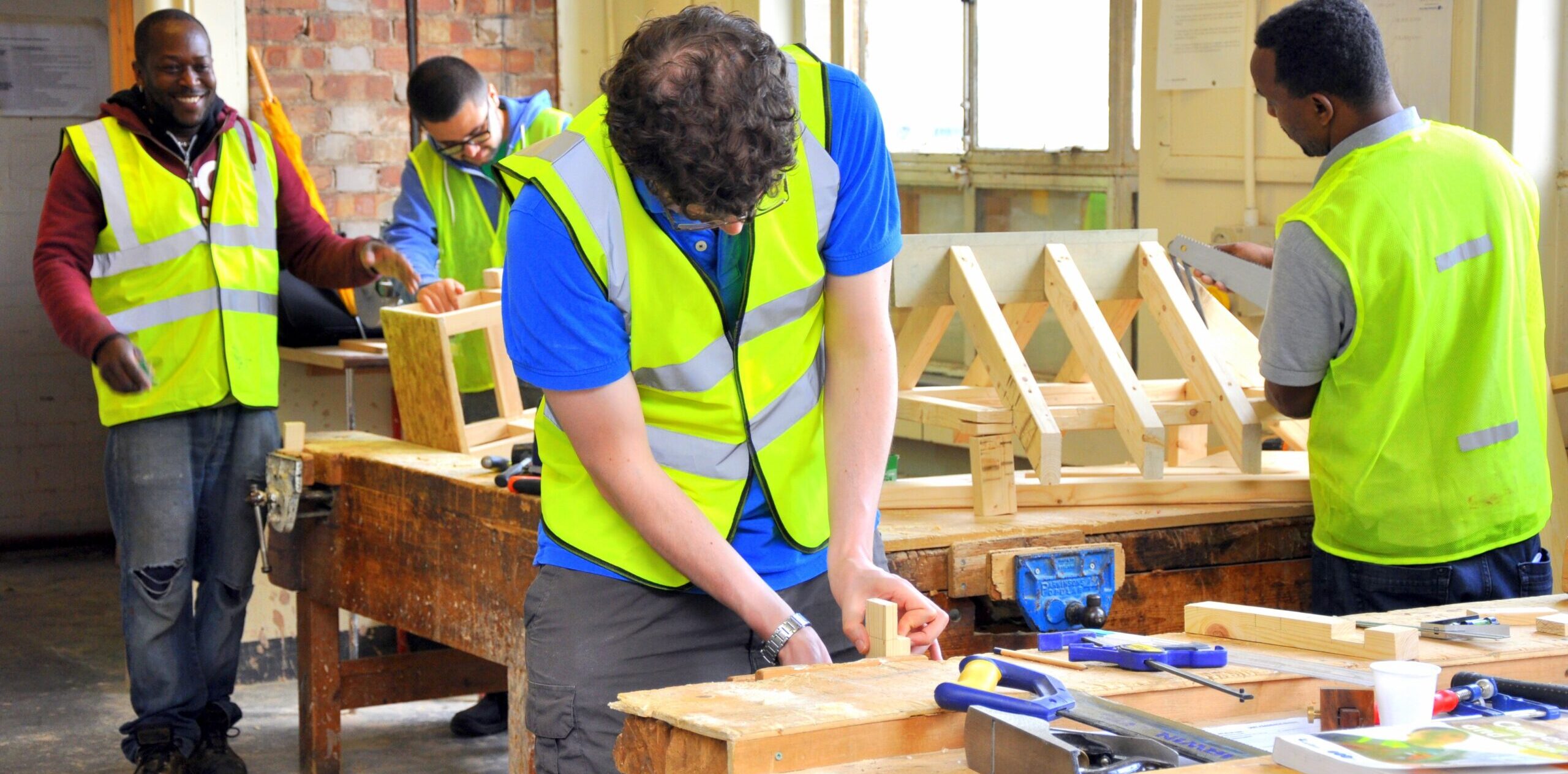
The Construction Taskforce and Skills England have agreed on a new approach to construction apprenticeship assessment reform, following a year of collaborative work to address concerns raised by the Construction Coalition, which was led by the British Woodworking Federation (BWF).
The new methodology reportedly uses risk profiling to tailor the level of detail required in each assessment plan, streamlining processes while ensuring assessments remain robust, reliable and safe.
Industry-led response to reform concerns
The announcement follows changes to apprenticeship assessment policy set out by the Department for Education in February 2025.
In response, the BWF led a coalition of 35 membership and professional bodies from across the construction and built environment sectors.
The Construction Coalition raised concerns with the Government about the potential impact of the reforms on workforce competence, particularly in safety-critical environments.
Skills England and government ministers acknowledged these concerns, recognising the need for further work on the design of assessment plans, especially in the context of safety-critical occupations, the Building Safety Act 2022 and the increased obligations on construction employers to demonstrate workforce competence.
The Construction Taskforce
Skills England paused the reforms for construction and established a dedicated Construction Taskforce, bringing together industry, regulators and government bodies, including the Building Safety Regulator, the Construction Industry Training Board (CITB) and the Construction Skills Certification Scheme (CSCS).
Since its formation in late 2025, the Taskforce meets regularly to develop practical solutions, with a clear recognition that a one-size-fits-all approach is not appropriate for the sector.
The Taskforce has focused on defining additional requirements in assessment plans for high-risk occupations, reducing the scope for sampling based on risk, specifying assessment methods according to occupational risk and aligning assessment plans with recognised industry competence standards under the industry Competence Steering Committee (ICSG) Sector Led Group 10 Installers and Trades.
A risk-based approach in practice
Eight apprenticeship standards were identified to test the new solutions. Skills England, the Department for Work and Pensions (which assumed responsibility for the policy in October 2025), policy officials and the Taskforce worked together with occupational groups to develop new assessment plans that satisfied industry concerns and secured the benefits of the reforms.
The resulting model allows occupational groups to determine the appropriate level of prescription based on risk.
This means they can mandate specific assessment methods, limit sampling in higher-risk areas, set clear maximum tolerance levels, and ensure evidence requirements align with relevant industry competence standards and any associated licence card schemes.
Three examples illustrate how the risk profiling works in practice:
- Level 2 Painter & Decorator (low risk): limited additional prescription, with defined tolerance levels in certain areas, such as alignment to skills carding requirements.
- Level 4 Construction Site Supervisor (medium risk): core Skills England structure retained, plus a mandated professional discussion with flexibility in supporting assessment methods.
- Level 2 Carpentry & Joinery (high risk): safety-critical skills and outcomes are mandated, sampling scope reduced, tolerance deviations defined and a mandatory observation or simulation required and flexible additional assessment methods aligning with the blue CSCS card requirements.
Several assessment plans are now in public consultation with feedback closing on 2nd August, including:
- Level 2 Carpentry and Joinery
- Level 2 General Builder
- Level 4 Building Services Engineering Senior Technician
Helen Hewitt, CEO of the British Woodworking Federation and the founder of the Construction Coalition, said: “From the outset, the construction industry was clear that the proposed reforms could undermine the apprenticeship assessment quality and individual competence in safety-critical roles.
“The Construction Taskforce and the collaborative approach taken by Skills England have moved this work forward significantly.
“The introduction of a new risk-based approach means each occupation can now be assessed on its own merits and aligned with the competence requirements expected by industry.
“As occupational lead for the Level 2 Carpentry & Joinery apprenticeship, I am pleased that this has resulted in an assessment plan that both industry and Skills England can support.
“I would encourage employers and providers to engage with the upcoming consultations.”
Jonathan Mitchell, Skills England’s Deputy Director, added: “Together, we have developed a more streamlined approach to apprenticeship assessment that manages risks, maintains employer confidence and reflects the realities of the regulatory landscape.
“The close collaboration and constructive challenge from partners across industry, government and regulators has been critical in reaching this point.”
For more information on the BWF, please visit: https://www.bwf.org.uk/
For more information on the Skills England apprenticeship survey visit: https://skillsengland.education.gov.uk/surveys/
Latest posts
-
 16/09/2026
Two PiGs in a Pod - Wolfgang Gorner
-
 10/09/2026
Star in the STY: Mark Walker
-
 10/09/2026
Alyssa Jones makes strong start as Residence Collection Brand Ambassador
-
 10/09/2026
PiGs launches Annual Partner programme for 2027
-
 10/09/2026
Fenster Marks 20th anniversary with B Corp Certification
-
 10/09/2026
Industry veteran Mark Goldsmith launches MG Headhunting
-
 09/09/2026
SGP delivers glass for Yorkshire Wildlife Park penguin enclosure
-
 09/09/2026
PiGs confirmed as Supporting Organisation for Glazing Summit
-
 09/09/2026
Rooflight Association joins FIT Show 2027 line-up
-
 09/09/2026
FOREL’s Joe Hague on why FIT Show matters now more than ever